Estate Planning | Hollywood, FL and Broward County
Your family built something worth protecting. Make sure the law agrees.


Safeguard Your Life’s Work with a Plan That Speaks When You Can’t
Most people put off estate planning because they assume they have more time. Then something happens. A health scare, a friend's messy probate, a blended family situation that goes sideways. Suddenly, the conversation cannot wait. If you are reading this page, you are already ahead of most people.
The question is whether your current plan, or the absence of one, actually does what you think it does under Florida law.
Legacy Solutions Law Firm is a Florida estate planning firm serving families across all 67 Florida counties from its Hollywood, FL office. The firm helps families create legally sound estate plans that reflect their actual wishes, protect their assets from the wrong hands, and give the people they love a clear path forward when it matters most.

Book a Solutions Meeting
This is a boutique practice. Every client works directly with an experienced attorney, whether that is Randy Narkir, with over 12 years of Florida estate planning and special needs law practice, or another skilled member of the legal team. Not a paralegal. Not a form. An attorney who knows your family by name.
In 30 minutes, you will know exactly what your family has, what it is missing, and what it would take to fix it.
In a situation that needs immediate attention? Call us directly. (754) 292-0912
2025 and 2026 Florida Law Updates: What Families Need to Know Right Now
Several significant changes to Florida and federal law have recently taken effect that directly affect estate planning. If your plan has not been reviewed since 2024, these updates may affect how your estate is distributed, what your surviving spouse receives, and how much of your estate reaches your beneficiaries.
Federal Estate Tax Exemption Permanently Increased | No Sunset
The One Big Beautiful Bill Act (OBBBA), signed into law on July 4, 2025, permanently raised the federal estate, gift, and generation-skipping transfer tax exemption to $15 million per individual ($30 million per married couple), effective January 1, 2026. The exemption is indexed for inflation going forward. There is no sunset.
For most Florida families, federal estate tax is no longer the primary concern. The planning conversation now shifts toward income tax efficiency, proper trust structure, asset protection, and making sure existing documents still work correctly under the new exemption figures. Families with estate plans that use formula clauses tied to old exemption numbers should have those documents reviewed before they produce unintended results. (Source: OBBBA, P.L. 119-21; IRC Section 2010 as amended.)
Annual Gift Tax Exclusion | Confirm Current Figure
The annual gift tax exclusion was $19,000 per recipient in 2025. Confirm the current 2026 figure with your estate planning attorney before making gifts this year, as the IRS adjusts this amount annually for inflation. Strategic gifting remains an important component of planning for families with larger estates. (Source: IRS Rev. Proc. 2024-40.)
Florida Homestead Law | No Change, But Frequently Misunderstood
Florida's homestead law continues to restrict how your primary residence can be transferred at death. If you are married or have minor children, you cannot freely leave the homestead to someone else without specific legal structures in place. Many Florida estate plans are drafted incorrectly on this point, especially plans prepared by out-of-state attorneys or more than three years ago. A review is strongly recommended if either of those applies to your situation.
Supported Decision-Making Framework Expanded | Effective July 1, 2024
Florida courts must now consider supported decision-making as a less restrictive alternative before appointing a guardian. (Florida Chapter 393.12, expanded by HB 73/SB 446, effective July 1, 2024.) This affects estate plans that include guardianship provisions for loved ones with disabilities.

Florida Families Who Are Planning Ahead
The families who call Legacy Solutions are not all wealthy. They are not all elderly. What they share is a moment that made the stakes real: a parent who died without a plan, a friend who watched a sibling fight over a house for two years, a diagnosis that came out of nowhere.
Estate planning is not about being wealthy. It is about being specific. The law fills in the blanks you leave empty, and it rarely fills them in the way you would have chosen.
Married couples who want the right people to inherit the right assets. Business owners who need a succession plan before something unexpected forces the issue. Parents of minor children who have not yet put a guardian's name in writing. Blended families navigating the complexity of stepchildren and prior relationships. And parents of children with special needs, who require a different kind of plan entirely, one that protects government benefits, ensures long-term care, and does not accidentally disqualify a child from the programs that make their life possible.
This is for you if:
You own a home, investment account, business, or any significant asset in Florida.
01
Minor children in your family need a named guardian designated in writing.
02
You are married or in a domestic partnership and want your spouse protected.
03
A business or professional practice you own has no succession plan.
04
A loved one with special needs depends on government benefits.
05
You want to avoid Florida probate and the costs and delays that come with it.
06
Assets in multiple states need a coordinated plan.
07
You want to choose who makes medical and financial decisions if you become incapacitated.
08
You have a blended family and want to protect children from a prior relationship.
09
Key Planning Tools for Estate Protection and Legacy Building
A complete Florida estate plan is a coordinated set of legal tools. Each one serves a specific purpose. None of them works well in isolation. The table below shows what each document does, whether it avoids probate, and when you need it.
Planning Tool | Primary Purpose | Avoids Probate | When You Need It |
|---|---|---|---|
Pour-Over Will | Captures assets not transferred into trust during lifetime | No, but minimizes probate exposure | Anyone with a living trust |
Living Will / Advance Directive | Documents your wishes on life-prolonging treatment | Not applicable | Every adult who wants medical wishes honored |
Healthcare Surrogate Designation | Authorizes someone to make medical decisions if you cannot | Not applicable | Every adult; especially important before surgery or illness |
Durable Power of Attorney | Authorizes someone to manage finances if you are incapacitated | Not applicable | Every adult; critical for incapacity planning |
Revocable Living Trust | Transfers assets to beneficiaries privately without probate | Yes (assets held in trust pass directly) | Homeowners; anyone wanting to avoid probate delays |
Last Will and Testament | Directs asset distribution; names guardian for minor children | No (goes through probate court) | Every adult; foundational document |
01. Last Will and Testament
The foundation of most estate plans. Your will names your beneficiaries, specifies how assets are distributed, appoints an executor to administer your estate, and names a guardian for any minor children. In Florida, a will must be signed in front of two witnesses to be valid. Without a will, Florida's intestacy laws determine who inherits your assets and who raises your children, and those decisions may not reflect your wishes. (Florida Statute 732.502.)
02. Revocable Living Trust
A living trust keeps your estate out of Florida probate court. That means faster distribution to your family, lower costs, and complete privacy. Probate records are public. Trust distributions are not. The trust takes effect during your lifetime and can be updated or revoked at any time. It also keeps things running if you become incapacitated, letting a successor trustee manage your affairs without going to court.
One critical point that often gets overlooked: a trust that is not properly funded provides none of these benefits. If your assets are not actually transferred into the trust, your estate goes through probate anyway. This is one of the most common and most expensive mistakes in Florida estate planning. Legacy Solutions helps clients through the funding process, not just the signing. (Florida Statute 736.)
03. Durable Power of Attorney
Designates a trusted person to manage your financial and legal affairs if you become unable to do so. In Florida, a durable power of attorney must meet specific signing requirements to be valid. Without one, your family may need to petition the court for a guardianship of property, a process that can take months and cost thousands of dollars even for relatively simple financial matters. (Florida Statute 709.)
04. Healthcare Surrogate Designation
Gives a trusted person the legal authority to make medical decisions on your behalf if you are unable to do so. Without this document, medical providers may not consult with your family during a health crisis, and decisions may fall to someone you would not have chosen. (Florida Statute 765.)
05. Living Will / Advance Directive
Documents your wishes regarding life-prolonging treatment if you have a terminal condition, end-stage condition, or are in a persistent vegetative state. This document does something no other part of your estate plan does: it answers the hardest question your family might ever face, before they are in the room having to answer it. Your wishes are on record. The burden does not fall on them. (Florida Statute 765.)
06. Asset Protection Planning
Florida offers some of the strongest asset protection laws in the country, including the unlimited homestead exemption and tenancy by the entireties for married couples. This protection can extend to financial accounts intentionally titled as tenants by the entireties, not just real estate. Strategic estate planning incorporates these protections to shield assets from creditors and unexpected liabilities. For business owners and professionals, asset protection is a necessary layer of any complete plan.
Real Situations Florida Families Have Faced
The three situations below are drawn from the kinds of cases Legacy Solutions sees regularly in Florida. Names are changed. The circumstances are not.
Scenario 1: The Husband Who Assumed His Wife Would Inherit Everything
Robert and Linda had been married for 22 years and owned a home in Hollywood, Florida. Robert assumed his wife would automatically inherit everything. He never got around to making a will. When Robert passed away unexpectedly, Linda discovered that because Robert had adult children from a prior marriage, Florida's intestate succession laws gave those children a share of the marital home she had lived in for two decades. Linda was forced into a legal dispute with her stepchildren over the family home at the worst possible time in her life. The process took 18 months and cost tens of thousands of dollars in legal fees. A will and a living trust, drafted correctly under Florida law, would have protected Linda entirely and prevented the conflict.
Names changed for privacy. Reflects a common situation seen regularly in Broward County.
Hollywood, FL (Our Home Base)
The office is located at 4000 Hollywood Boulevard, Suite 485-S, Hollywood, FL 33021. The firm is deeply rooted in Broward County and serves Hollywood families directly, including blended families, business owners, and parents of children with special needs, as they navigate Florida's guardianship and public benefits systems.
Ongoing relationship
A plan signed five years ago may not work the way you expect it to today. Law changes. Families change. Assets change. Legacy Solutions stays available.
Practical Plans
The goal is a plan you understand, that reflects how your family actually works, and that does not require a law degree to execute when the time comes.
Direct attorney access
Direct attorney access from an attorney who has spent more than a decade helping Florida families get this right.

Why Florida Families Choose Legacy Solutions Law Firm
We are not a general practice firm that handles special needs cases occasionally. This is what we do every day, for families across Florida.
-
Florida-specific legal expertise: Knowing what tenancy by the entirety actually requires for a Florida bank account, understanding the homestead restrictions that catch out-of-state estate plans, and applying the exact execution requirements that make a Florida will valid or invalid. Your plan is built for Florida.
-
Full-picture planning: Will, trust, power of attorney, healthcare documents, beneficiary designations, and business succession together form a system. A gap in one creates a gap in The office is located at 4000 Hollywood Boulevard, Suite 485-S, Hollywood, FL 33021. The firm is deeply rooted in Broward County and serves Hollywood families directly, including blended families, business owners, and parents of children with special needs, as they navigate Florida's guardianship and public benefits systems.
-
Ongoing relationship: A plan signed five years ago may not work the way you expect it to today. Law changes. Families change. Assets change. Legacy Solutions stays available.
-
Practicality: The goal is a plan you understand, that reflects how your family actually works, and that does not require a law degree to execute when the time comes.
-
Direct attorney access: Direct attorney access from an attorney who has spent more than a decade helping Florida families get this right.
Meet Our Atterny
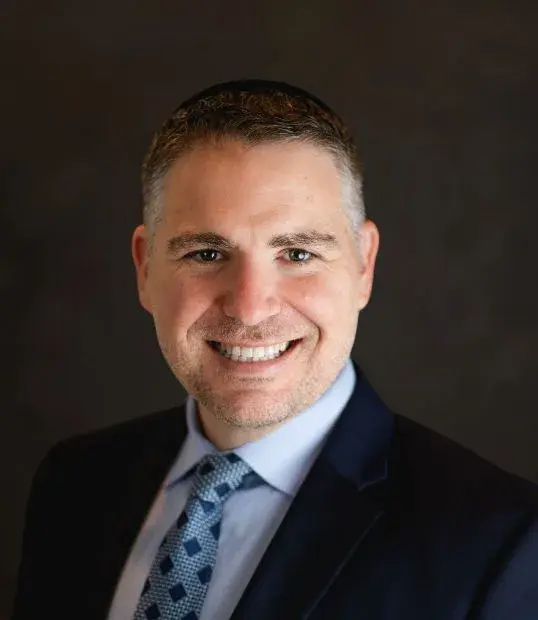
Randy Narkir
Founder and Managing Partner
Randy Narkir has practiced estate planning and special needs law in Florida for more than 12 years. He has helped families navigate contested probate proceedings, fix trust funding mistakes that were discovered only after a death, and build plans for families with special needs children that actually preserve the benefits those children depend on. He serves on committees for the Elder Law Section of the Florida Bar and speaks at state conferences on guardianship and special needs trust planning.
Every client works directly with Randy from the first Discovery Call through document signing and beyond. No back office. No rotating associate. No waiting three days for a callback from someone who does not know your file.
Community Connections
-
President, Aventura Isles
-
Board Member, Jewish Community Services
-
ProVisors, Hollywood 1 Group Leader
-
BNI, Former President BNI Revival
Schedule Your Discovery Call With a Florida Estate Planning Attorney
Most people who call Legacy Solutions start with some version of the same sentence: 'I know I should have done this years ago.' That is fine. The point is that they called.
A Discovery Call is not a sales pitch. Randy listens first. He will tell you what he thinks you actually need, explain why, and give you an honest assessment of whether Legacy Solutions is the right fit. If it is not, he will say so.
There is no charge for the Discovery Call and no obligation to engage. One conversation. A clear picture of where you stand.
Book Your Discovery Call
Estate planning is the legal process of arranging how your assets, property, and personal decisions will be handled if you become incapacitated or pass away. In Florida, a complete estate plan typically includes a will or living trust, a durable power of attorney, and health care documents. Without these documents in place, a Florida court will make decisions about your estate and your care based on state law rather than your personal wishes. Families throughout Broward County use estate planning to protect their children, avoid costly court proceedings, and ensure the right people are in control.
Whether you need a will, a living trust, or both in Florida depends on your goals, the types of assets you own, and your family situation. A will lets you name beneficiaries and a personal representative, but it must go through the public probate process before assets can be distributed. A revocable living trust allows many assets to pass directly to beneficiaries outside of probate, offering privacy and potentially faster distribution. Many families in Fort Lauderdale and Hollywood use a combination of both documents to make sure all assets and situations are covered.
If you die without a will in Florida, the state's intestate succession laws determine how your assets are distributed, regardless of your personal wishes. Florida law sets a specific order of priority for relatives, and this formula may produce results that surprise or upset your family. A court in Broward County will appoint someone to serve as personal representative without your input, and that process can be time-consuming and costly. Having even a basic, properly executed will gives you direct control over who inherits and who manages your estate.
When you have a child with disabilities, your Florida estate plan must be structured carefully to avoid accidentally disqualifying your child from government benefits. Leaving assets directly to a child who receives SSI or Medicaid can immediately trigger a loss of those benefits due to income and asset limits. Most families in South Florida instead include a third-party special needs trust in their estate plan so that an inheritance flows into the trust rather than to the child outright. This ensures your child is financially supported for life without jeopardizing the public benefits they depend on.
A durable power of attorney is a legal document that authorizes someone you trust to handle your financial and legal affairs if you become unable to do so yourself. In Florida, the powers granted must be specifically listed in the document, and can include tasks like managing bank accounts, filing taxes, selling property, and handling government benefits. Without a valid power of attorney, your family may be forced to go to court to get a guardianship in order to help you a process that is far more expensive and time-consuming. Residents of Hollywood and the surrounding Broward County area typically sign this document as part of a standard estate plan.
A health care surrogate designation is a Florida legal document that names a trusted person to make medical decisions on your behalf if you cannot speak for yourself. Your surrogate can communicate with doctors, authorize or refuse treatments, and enforce your stated medical preferences during a health crisis. This document is different from a living will, which records your specific wishes about end-of-life care, and is typically paired with a HIPAA authorization so your surrogate can access your medical records and communicate freely with your healthcare providers. Together, these documents give families in Broward County and across Florida a clear road map during difficult medical situations.
Most Florida families should review their estate plan every three to five years, or sooner if a major life event occurs. Situations that commonly trigger a needed update include marriage, divorce, the birth of a child, the death of a named beneficiary or trustee, a significant change in assets, or a change in Florida or federal law. An outdated plan can name the wrong people, fail to reflect your current wishes, or create unintended tax consequences. Many families in Hollywood and throughout Broward County treat their estate plan review as an annual priority.
A well-designed estate plan can significantly reduce or, in many cases, eliminate the need for a formal probate proceeding in Florida. Tools such as revocable living trusts, transfer-on-death designations, payable-on-death accounts, and joint ownership with survivorship rights allow many assets to pass directly to beneficiaries. Avoiding probate saves time, reduces court and attorney fees, and keeps family financial matters private. However, not every asset can be kept out of probate, so working with a Florida attorney helps identify exactly which parts of your estate still need planning.
A complete Florida estate plan typically includes a last will and testament, a durable power of attorney, a health care surrogate designation, a living will, and for many families, a revocable living trust. Beneficiary designations on life insurance, retirement accounts, and bank accounts are also considered part of the estate plan because they directly affect who inherits those assets. Families with a child with disabilities should also include a special needs trust and ideally a letter of intent describing the child's care needs. Working with an estate planning attorney in Broward County ensures all of these pieces work together correctly.
Online estate planning forms may be tempting, but they frequently fail to meet Florida's specific legal requirements for execution and witnessing, which can make the documents invalid. Florida law requires that wills be signed in front of two witnesses and a notary, and errors in this process can cause the document to be thrown out by a probate court in Broward County. Online forms also do not account for your specific assets, family dynamics, or benefit-planning needs for a disabled child. At minimum, having a Florida attorney review any documents you create helps protect your family from avoidable problems.
A Lady Bird Deed, also called an Enhanced Life Estate Deed, is a legal tool that allows a Florida homeowner to transfer their property to chosen beneficiaries at death without going through probate, while retaining full control of the property during their lifetime. The owner can still sell, refinance, or mortgage the home, and can change the named beneficiaries at any time without their consent or involvement. Because you retain full ownership until death, your Florida homestead exemption and Save Our Homes tax cap remain in place during your lifetime. Lady Bird Deeds are especially popular in South Florida as a cost-effective alternative to a full revocable living trust for families whose primary planning goal is keeping their home out of probate. However, a Lady Bird Deed only covers the specific property listed in the deed. It does not address bank accounts, retirement accounts, or any other assets, so most families use it as one piece of a broader estate plan rather than a standalone solution. For blended families or situations involving a spouse with homestead rights, additional legal considerations apply, and working with a Florida estate planning attorney ensures the deed is drafted and recorded correctly.
Yes, and this surprises many families. Beneficiary designations on life insurance policies, retirement accounts such as IRAs and 401(k)s, payable-on-death bank accounts, and transfer-on-death investment accounts pass directly to the named person regardless of what your will says. Your will controls only the assets that do not have a direct beneficiary or title arrangement. This means an outdated beneficiary designation, such as a former spouse or a deceased parent left on an old policy, can legally redirect significant assets away from the people you intend to inherit. Naming a minor child directly on an account creates a different problem: Florida courts require a court-supervised guardianship to manage those funds until the child turns 18, which is costly and gives you no control over how the money is eventually used. A complete Florida estate plan treats beneficiary designations as part of the plan, not an afterthought. Reviewing every account and policy to make sure the named beneficiaries align with your overall intentions is one of the most important steps your attorney can walk you through.
If you become incapacitated without a valid durable power of attorney and health care surrogate designation in place, your family may have no legal authority to manage your finances or make medical decisions on your behalf. Florida law does not automatically grant a spouse or adult child the right to act for you in these situations without court authorization. The alternative is a formal guardianship proceeding in Broward County or your local circuit court, where a judge appoints someone to act on your behalf. Guardianship is far more expensive, time-consuming, and restrictive than a properly executed power of attorney, and it removes your ability to have chosen who handles your affairs. The good news is that these documents are straightforward to put in place as part of a standard estate plan, and doing so before any health crisis gives your family clear authority to act without court involvement. Many South Florida families discover the importance of incapacity planning not at death, but when a parent suffers a stroke or an unexpected medical emergency.
Blended families face a set of estate planning challenges that a standard plan does not automatically address. Florida's default inheritance rules do not balance the interests of a surviving spouse and children from a prior marriage, and without intentional planning, one group often ends up unprotected. A common concern is that if everything passes outright to a surviving spouse, that spouse may later change their plan in a way that disinherits the biological children entirely. Tools such as a QTIP trust, which provides income to a surviving spouse for life while preserving the remaining assets for children at the spouse's death, are specifically designed for this situation. Beneficiary designations on retirement accounts and life insurance policies also need to be reviewed carefully, since these assets pass outside the will entirely and can override even the most carefully drafted trust. Couples in blended families should also make sure powers of attorney and healthcare documents reflect current wishes and do not leave medical decisions in the hands of an ex-spouse or estranged family member. An estate plan built for a blended family in South Florida looks different from a standard plan and requires an attorney who understands both the legal tools available and the family dynamics involved.
Estate Planning FAQs
Resources to Guide Your Journey
We believe that informed families make the best decisions. That’s why we provide easy access to our comprehensive library


A: 4000 Hollywood Boulevard
Suite 485-S
Hollywood, FL 33021
